Canine Behavior Consultant and Aggression Specialist
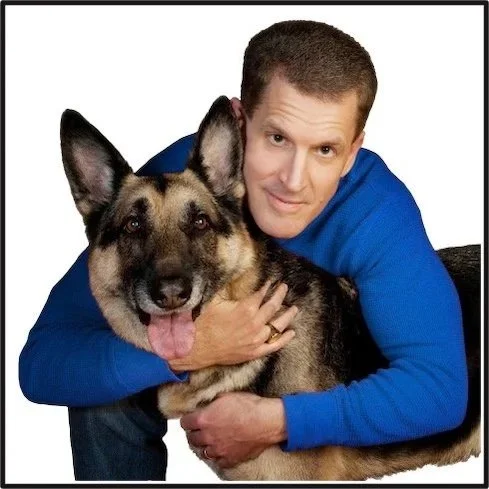
Scott Sheaffer, CBCC-KA, CDBC, CPDT-KA
Scott Sheaffer is a canine behavior consultant and aggression specialist based in Dallas, Texas. His practice serves dog owners throughout the United States whose dogs have serious behavior problems requiring expert assessment, diagnosis, prognosis, and treatment recommendations.
Areas of Expertise
- Aggression toward people, other dogs, and household pets
- Behavior evaluations and expert witness testimony in legal cases
- Anxiety, fear, and resource guarding
- Complex or difficult-to-diagnose behavior problems
- Second opinions for challenging behavior cases
All consultations are conducted online, allowing dog owners throughout the United States to access specialized canine behavior expertise. The goal is to help you understand your dog's behavior, realistically assess risk, and make informed decisions about treatment and management.
Scott has earned three certifications in canine behavior from internationally recognized certifying organizations.
- CBCC-KA, Certified Behavior Consultant Canine
- CDBC, Certified Dog Behavior Consultant
- CPDT-KA, Certified Professional Dog Trainer
Scott Sheaffer, CBCC-KA, CDBC, CPDT-KA

Learn why dogs bark at the doorbell, how fear and window barking can strengthen territorial reactions, and what you can do to make arrivals calmer and safer.

Learn why dogs pull on the leash, how fear, excitement, frustration, and reactivity affect walks, and which humane strategies can help.

Discover eight things your dog wishes you understood about your voice, mood, routines, aging, forgiveness, and the bond you share.
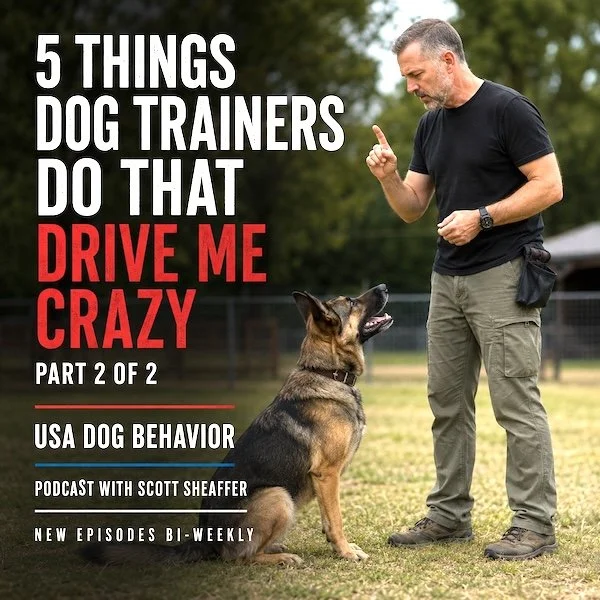
Five dog-training practices that concern canine behavior consultant Scott Sheaffer, from quick fixes and aversive tools to working beyond one's expertise.
Last time I talked about five things dog owners do that drive me crazy. Now it's the trainers' turn.
From “guaranteed” board-and-train fixes to shock collars, aggression cases, trying to do everything, and failing to keep learning, here are five things within my own profession that I think deserve a closer look.

Discover five common dog-owner habits that create stress, confusion, and behavior problems, plus humane, practical ways to help your dog succeed.
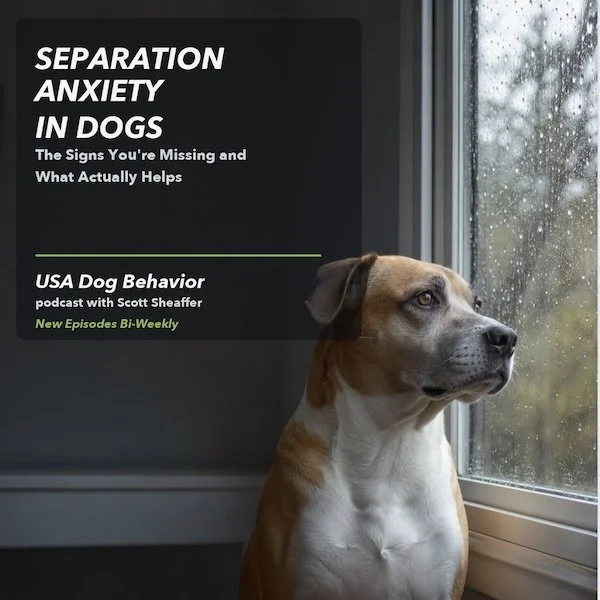
Learn the signs of separation anxiety in dogs, how to tell it from boredom, and the practical, humane steps that can help your dog feel safer alone.
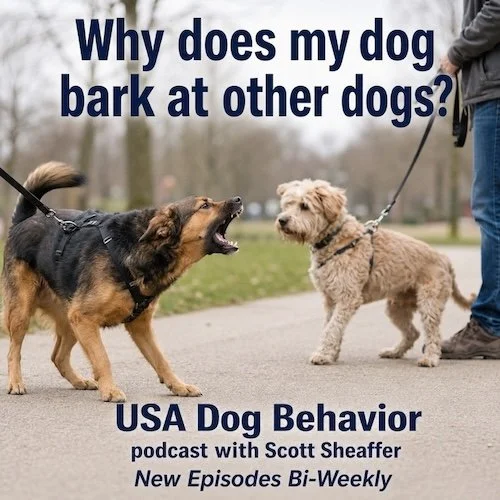
Does your dog bark and lunge at other dogs on walks? Learn why this behavior happens, what it really means, common mistakes to avoid, and how behavior modification can help.

A true story about a loving dog owner named Tim, a rescue dog named Buddy that repeatedly bit him, and the surprising discovery that changed everything. Learn why understanding canine body language can prevent bites and strengthen your relationship with your dog.

Why do some dogs with aggression, fear, anxiety, and reactivity improve while others struggle? Dog behaviorist Scott Sheaffer explains the four owner-related factors that strongly predict success in difficult canine behavior cases.
Why do some dogs become aggressive? Learn the real causes behind aggression, including fear, anxiety, pain, frustration, genetics, and learned behavior.
Most dog behavior issues aren’t obedience problems; they’re misunderstood dog behavioral patterns. Learn what you’re missing and how it affects your dog’s behavior.

Some common dog training advice sounds right—but actually makes behavior worse. Learn the 3 biggest mistakes and what to do instead.

Discover how Dogosterone and canine HRT can resolve fear-based behavior, anxiety, and mobility issues in neutered male dogs. Is your dog hormonally imbalanced?

Dog owners often unintentionally cue fear and aggression in their dogs. Learn how subtle human behaviors can trigger reactivity—and what to do instead.
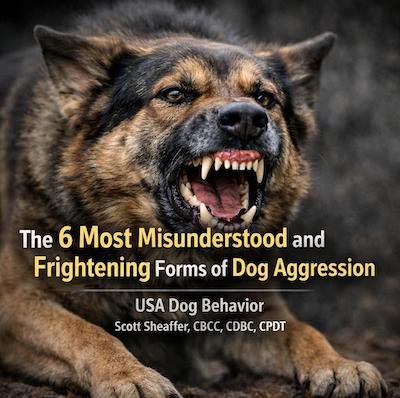
Discover six rare and often misunderstood types of dog aggression, including sleep startle, redirected aggression, and predatory behavior toward humans. Learn why professional help is critical.

Do dogs go to heaven? A pan-religious look at what Christianity, Islam, Judaism, and Eastern traditions say about pets and the afterlife, plus personal reflections on grief, the Rainbow Bridge, and the book Dog Heaven by Cynthia Rylant.

Do dogs know when another dog dies? Learn how dogs perceive death, why they react differently, and how to help surviving dogs adjust after a loss.

Uncover the truth behind dog aggression. Learn why barking, lunging, or snapping is a symptom of fear, not a "mean" personality. Discover the 7 common types of dog aggression and how understanding triggers leads to effective behavior modification, not just labeling.

Worried about your dog and new baby? Discover the reassuring truth: dogs rarely see babies as prey. Learn the key safety periods, how dogs truly perceive infants, and actionable steps for a harmonious home.

Standard dog training often worsens fear and anxiety in sensitive dogs. Learn why obedience-based methods fail anxious dogs—and what actually helps.

Is your dog bored or anxious? Learn why 'giving your dog a job' is the key to channeling natural instincts, stopping bad behavior, and creating a happier, more fulfilled canine companion. Practical tips inside.

Bringing home a new dog is exciting, but first-time owners often discover the learning curve is steeper than they expected. After working with hundreds of families, I’ve noticed I approach first-time owners very differently than experienced ones — not because they aren’t intelligent, lack commitment or care, but because they’re working from assumptions that just don’t match how dogs actually learn.

We’ve all seen them—the modern “training” collars that promise a quick fix for all kinds of dog behavior problems. These collars are really just old-school shock collars (also called e-collars) with a built-in buzzer. While the electric shock function is increasingly recognized as aversive and inhumane, many well-intentioned dog owners are drawn to the “buzzer” or “vibration-only” mode. It seems like such a harmless beep or gentle nudge, a simple way to get your dog’s attention.

Barking is one of the most natural things a dog can do—but when it becomes constant in the backyard, it can strain relationships with neighbors and even cause stress for the dog. The key is to understand why your dog is barking and then take steps to make things quieter and calmer for everyone.
Here are eight ways to stop your dog’s backyard barking:

You’ve seen it a hundred times: one minute, your dog is a perfect angel. The next, they’re a blur of fur, tearing laps around the coffee table, skidding across the floor with a wild look in their eyes. It’s a scene of pure, unbridled chaos… and it’s completely normal.

Aggression is the number-one reason dog owners reach out to me. It’s also one of the most emotionally charged and misunderstood behavior problems. When someone says, “My dog bit me,” or “My dog bit someone,” fear and frustration often take over—and myths quickly fill the gaps where knowledge is missing.

People often ask me, “Scott, what’s the number one thing I should pay attention to in my dog’s behavior?” It’s a fair question. As dog owners, we’re told to keep up with diet, exercise, training, socialization, enrichment, vet visits, and the list goes on and on. All of that matters.

When people ask me, “Who makes the best dog owner?” they usually expect me to name a type of person. Maybe someone who works from home or someone with a big fenced yard. Maybe they’re thinking about people who had dogs as kids and grew up knowing all the basics.
But the truth is, none of those things guarantee success. I’ve seen dogs thrive in apartments and struggle in sprawling houses with massive backyards. I’ve met first-time dog owners who completely turned a difficult case around, and I’ve seen seasoned dog people miss the mark.

When a dog shows aggression, it’s natural to want the problem solved quickly. Many owners, hoping for a fresh start, turn to “board and train” programs—where a dog lives at a training facility for days or weeks, receiving daily sessions with a trainer.
It sounds ideal: the trainer “fixes” the problem while you go about life, and you get your dog back transformed. Unfortunately, for aggression cases, the reality can be far more complicated—and in some cases, harmful.

FREE
Run Time: 49 minutes
Presented by: Scott Sheaffer, CBCC-KA, CDBC, CPDT-KA
Most dog owners don’t realize their dog is constantly signaling to them. In order to effectively implement behavior modification techniques, it is important for dog owners to understand what their dog is communicating to them.

FREE
Run Time: 9 minutes
Presented by: Scott Sheaffer, CBCC-KA, CDBC, CPDT-KA
How do you properly socialize your fearful or aggressive dog and make them more calm and sociable with other dogs and humans? Find out in this video. We'll explore the critical techniques you need to master for properly socializing dogs with fear and aggression issues.

FREE
Run Time: 11 minutes
Presented by: Scott Sheaffer, CBCC-KA, CDBC, CPDT-KA
Does your dog seem to turn into a whining, barking, lunging maniac the moment you clip on the leash and they see another dog, or even another human? This video uncovers the mystery behind leash reactivity. We break down the roots of this frustrating behavior.

FREE
Run Time: 15 minutes
Presented by: Scott Sheaffer, CBCC-KA, CDBC, CPDT-KA
This video unravels the mystery behind what many term 'dominance aggression' in our canine companions. I'm going to tell you what 'dominance aggression' is, and, what it isn't in this video. Join me as we navigate the misconceptions surrounding this issue and offer clarity.

FREE
Run Time: 9 minutes
Presented by: Scott Sheaffer, CBCC-KA, CDBC, CPDT-KA
What if you could reduce your dog's anxiety and aggression with some help from science? Find out how behavior medications, particularly anxiolytics, might help. In this video, I dive into the nuances of how these medications work, why they aren't a one-size-fits-all solution, and how they could play a role in your dog's behavior modification journey.

FREE
Run Time: 9 minutes
Presented by: Scott Sheaffer, CBCC-KA, CDBC, CPDT-KA
Can dogs truly feel remorse and guilt after they bite someone, or is it just our interpretation of their behavior? Uncover the reality behind canine emotions as I address common myths about dogs and their reactions to biting incidents. I'll dive into the instinctual behaviors of dogs, shedding light on how they respond to stress and fear.

FREE
Run Time: 15 minutes
Presented by: Scott Sheaffer, CBCC-KA, CDBC, CPDT-KA
Dogs exhibit mixed signals sometimes that are difficult for humans to understand, like rolling over for a belly rub from some people while displaying aggression toward others. A dog's decision to roll over is often not an invitation for affection. In this video, I'll cover how to interpret this behavior.

FREE
Run Time: 5 minutes
Presented by: Scott Sheaffer, CBCC-KA, CDBC, CPDT-KA
Understanding your dog’s body language is the foundation of successful behavior modification. In this short video, you’ll learn why misreading your dog’s signals leads to failed training and how recognizing stress, fear, and warning signs sets the stage for real behavior change. This video points you to a free in-depth 49-minute video that teaches you how to read your dog clearly and confidently.

Video also includes downloadable notes
Run Time: 16 minutes
Presented by: Scott Sheaffer, CBCC-KA, CDBC, CPDT-KA
Does your dog jump up on you and your visitors in order to get attention? Other behaviors that frequently accompany this are excessive licking, mouthing, barking and other nuisance behaviors. Most of the techniques used by dog trainers really don’t adequately deal with this behavior because they don’t address the root cause.

Video also includes downloadable notes
Run Time: 38 min
Presented by: Scott Sheaffer, CBCC-KA, CDBC, CPDT-KA
When your front doorbell rings does your dog bolt to the front door, nervously bark at the visitor and never really settle down? Does your dog’s behavior look unfriendly and make you and your visitor feel uncomfortable? This behavior can be addressed if your dog’s underlying motivation is understood.

Run Time: 42 minutes
Presented by: Scott Sheaffer, CBCC-KA, CDBC, CPDT-KA
Do the dogs that live in your home not get along? Do they quarrel over food and toys or fight sometimes for no apparent reason? Do their altercations include a mild growl and may even go all the way to fighting that results in injury? This behavior can be treated with the proper techniques.

Run Time: 33 minutes
Presented by: Scott Sheaffer, CBCC-KA, CDBC, CPDT-KA
Are you unable to control your dog on leash? Do you feel like your dog is pulling the entire time and goes wherever they want? With the proper techniques this nuisance behavior can be addressed and both owner and dog will start to enjoy walking again.

4 videos in this bundle:
1) Understanding Dog Body Language
2) My Dog is Out of Control on the Leash
3) Better Dog-to-Dog Encounters Part 1
4) Better Dog-to-Dog Encounters Part 2
Videos also include downloadable notes
Total Run Time (4 Videos): 2 hours 32 minutes.
Presented by: Scott Sheaffer, CBCC-KA, CDBC, CPDT-KA
Does your dog start to pull toward other dogs when you are walking him or her? Does your dog whine, growl, bark, lunge or just get unruly when seeing other dogs on a walk? This embarrassing behavior can be resolved if you understand and address the root cause.
Would your dog eat you if you died at home? Explore documented forensic cases, possible explanations, and what this behavior can tell us about a dog's bond.