You’re Not Dealing With Disobedience. You’re Misreading Behavior.
“Most dog behavior cases are not about obedience—they’re about underlying behavior patterns that haven’t been correctly identified.”
Prefer listening? This post is also available as an episode on the USA Dog Behavior Podcast—don't forget to subscribe while you're there if you haven't already.
If you’re struggling with your dog’s behavior issues, there’s a good chance you’ve been told some version of this: “Your dog just needs better training.” It sounds reasonable. But in many of the cases I work with, it’s not just incomplete; it’s wrong. Because what looks like disobedience is often something very different and requires something different than traditional dog training.
The Mislabeling Problem
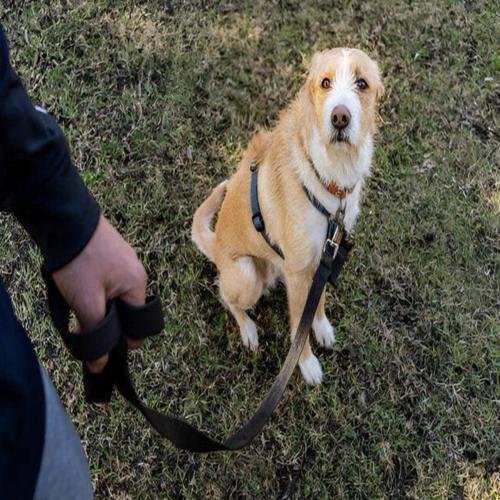
Owners tend to label behavior problems in simple terms: “He’s stubborn,” “She’s not listening,” or “He knows better but ignores me.” But dogs don’t operate from a place of defiance in the way we tend to think. What you’re seeing is usually the surface expression of something deeper: anxiety, conflict, fear, or reinforced behavioral loops (more on these below). When those patterns aren’t correctly identified, the response from the owner often makes things worse without realizing it.
Why Dog Training Alone Falls Short
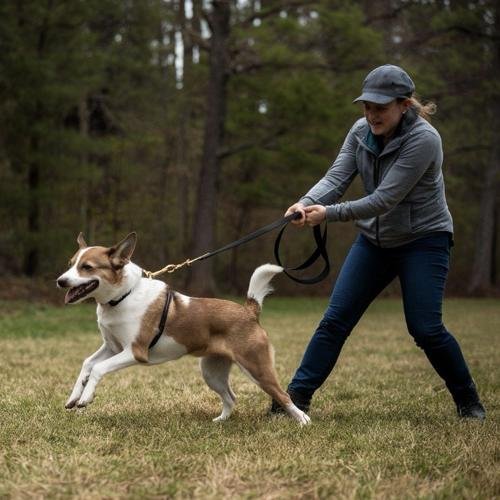
Dog training has its place. But when behavior is driven by underlying patterns, adding more commands doesn’t solve the problem. In fact, it often creates more problems. A common example is an owner who sees their dog become reactive or aggressive on walks and responds by tightening the leash, repeating commands, and increasing leash control (i.e., micromanaging the leash). From their perspective, they’re trying to manage the situation. From the dog’s perspective, the environment just became more tense, unpredictable, and scary. Over time, that pattern reinforces the very behavior the owner is trying to stop and is an example of a reinforced behavioral loop mentioned above.
Most dog behavior cases are not about obedience—they’re about underlying behavior patterns that haven’t been correctly identified.
What You’re Missing
Most difficult dog behavior cases feel “unpredictable.” They’re not. There’s a pattern, but the pattern hasn’t been recognized yet by the owner. These patterns might look like subtle escalation signals that go unnoticed, timing issues in how the owner responds, or repeated exposure to a trigger at the wrong level. Once you start to identify the pattern, the behavior begins to make sense. And once it makes sense, it becomes addressable.
[This article is original content created by USA Dog Behavior (https://www.USADogBehavior.com) and is intended for our readers.]
The Shift That Changes Everything
Instead of asking, “How do I get my dog to listen?” You should be asking, “What pattern is driving this behavior, and how am I influencing it?” That shift alone separates surface-level handling from actual behavioral understanding.
Why This Matters Beyond Owners
This isn’t just an owner issue. Veterinary teams, shelters, dog trainers, and organizations deal with these cases every day: dogs labeled as aggressive, dogs that “fail training,” and dogs that don’t improve despite significant effort. In many of those situations, the issue isn’t effort; it’s interpretation of the dog’s behavior. And when interpretation changes and is correctly focused, outcomes change.
Wrap-Up
Most challenging dog behavior cases don’t persist because dogs are disobedient. They persist because the behavior hasn’t been correctly understood. When you start looking at behavior through the lens of patterns instead of obedience, everything changes, from how you interpret what’s happening to how you respond.
If you have a dog that is not responding to traditional dog training (or is getting worse), please seek the help of a qualified, experienced, and non-punishment-based dog behaviorist for help. They will be able to identify the root cause of your dog’s behavior issues and provide scientific and non-aversive methods to address them.
Prefer listening? This post is also available as an episode on the USA Dog Behavior Podcast—don't forget to subscribe while you're there if you haven't already.
© 2026 Scott Sheaffer. All rights reserved. Original content. Reproduction prohibited.