4 Reasons Some Dogs With Behavior Issues Improve and Others Don’t…And They’re Usually Not About the Dog

Prefer listening? This post is also available as an episode on the USA Dog Behavior Podcast—don't forget to subscribe while you're there if you haven't already.
“The strongest predictors of success in serious dog behavior cases usually have far more to do with the owner than the dog.”
After working with thousands of dogs and their owners, I’ve learned this: the biggest predictors of success in serious behavior cases usually have far more to do with the owner than the dog. And this is why some dogs improve dramatically while others never truly make progress. This article isn’t about obedience commands, behavior exercises, or fancy dog training techniques. It’s about the human side of behavior work. In many cases, these four elements matter more than the dog itself.
1. Belief: The Most Important Factor
There’s a reason this one comes first. If you don’t truly believe your dog can improve, or if you don’t believe you can help create that change, the likelihood of success drops dramatically.
I’ll sometimes meet with a client who says something like, “I doubt anything will help him, but I figured I should try something before euthanasia.” That mindset affects everything. It drains optimism, consistency, motivation, and follow-through. In some ways, it even changes the emotional atmosphere surrounding the dog.
Behavior work is hard enough already. If the owner starts from a position of hopelessness, it becomes very difficult to build meaningful progress. The owners who tend to succeed are the ones who maintain realistic hope. Not fantasy. Not denial. Just the belief that improvement is possible. That mindset matters more than people realize.
2. Patience: Behavior Change Takes Time
Dogs don’t develop fear, aggression, anxiety, or reactivity overnight. Those patterns usually develop over long periods of time. Naturally, changing them takes time too.

This is one of the biggest disconnects I see with dog owners. We live in a culture of instant results, and unfortunately that mindset collides hard with real dog-behavior work. Television dog training shows have also distorted expectations. They create the illusion that severe behavioral problems can be solved in a single session or a dramatic fifteen-minute transformation. That’s not real life. That’s made-for-TV drama. It’s not real.
Real behavior modification is gradual. It’s repetitive. Sometimes it’s frustrating. Progress often happens in inches, not miles. I’ve also seen many dogs made substantially worse by people promising quick fixes through punishment-based methods and suppression techniques. In many cases, the symptoms temporarily look quieter while the underlying emotional problem actually grows stronger.
Real change involves slowly changing how the dog emotionally experiences the world around them. And unlike humans, dogs can’t sit down and explain their fears to us through conversation. The process requires patience.
Funny enough, people usually give themselves grace and time to work through their own fears, habits, and emotional struggles. But many expect dogs to conquer theirs almost immediately.
[This article is original content created by USA Dog Behavior (https://www.USADogBehavior.com) and is intended for our readers.]
3. Realistic Expectations: Understanding What’s Actually Possible
This is the part nobody likes hearing. Dogs with serious behavior issues are rarely ever “completely fixed.”
If someone promises to completely eliminate aggression, severe fear, or separation anxiety, for example, they’re either overselling reality or they simply don’t have enough experience to understand the long-term nature of these cases.
The goal of behavior work isn’t perfection. The goal is meaningful improvement. We want the dog to become safer, more functional, more confident, and more comfortable in its daily life. We want families to regain stability and predictability with their dog. We want stress levels reduced for everyone involved. That’s real success.
There’s another important reality too: improvement is rarely linear. Most owners unconsciously expect recovery to look like a smooth upward line. But behavioral healing almost never works that way.
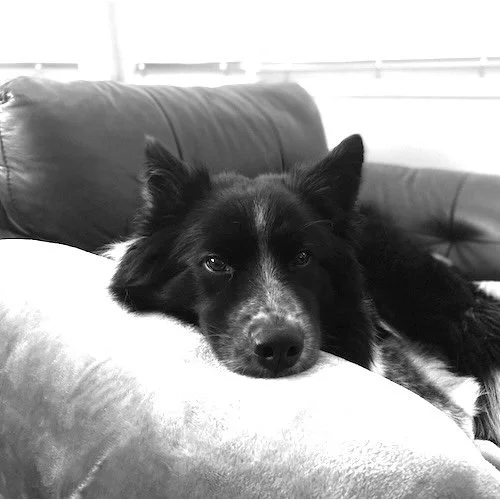
Progress is messy. Dogs improve, regress, improve again, plateau, then suddenly surprise you months later with major long-term improvement. The road is jagged. But over time, if the work is done properly and consistently, many dogs can improve dramatically.
4. Consistency: The Quiet Difference-Maker
Dog behavior professionals can usually tell very quickly whether owners are actually following through with the assigned work. The signs are obvious.
Real-world behavior modification often feels repetitive and tedious. Sometimes owners simply don’t feel like getting the leash out and doing the exercises again. I understand that. But consistency matters enormously.
Behavior modification is not about intensity. It’s about repetition and predictability over time. Small moments repeated consistently are often what create lasting behavioral change. That’s especially true with fear, anxiety, reactivity, and aggression cases.
Owners sometimes look for a breakthrough moment when, in reality, progress usually comes from dozens or hundreds of small, correct repetitions done over time. That’s the unglamorous truth behind many successful behavior cases.
Wrap Up
When I look back over the thousands of cases I’ve worked with, these four factors consistently stand out: belief, patience, realistic expectations, and consistency.
None of them are flashy. None of them are dramatic. But together, they are some of the strongest predictors of success when working with dogs with serious behavior issues.
And interestingly enough, they usually have far more to do with the owner than the dog.
Prefer listening? This post is also available as an episode on the USA Dog Behavior Podcast—don't forget to subscribe while you're there if you haven't already.
© 2026 Scott Sheaffer. All rights reserved. Original content. Reproduction prohibited.